
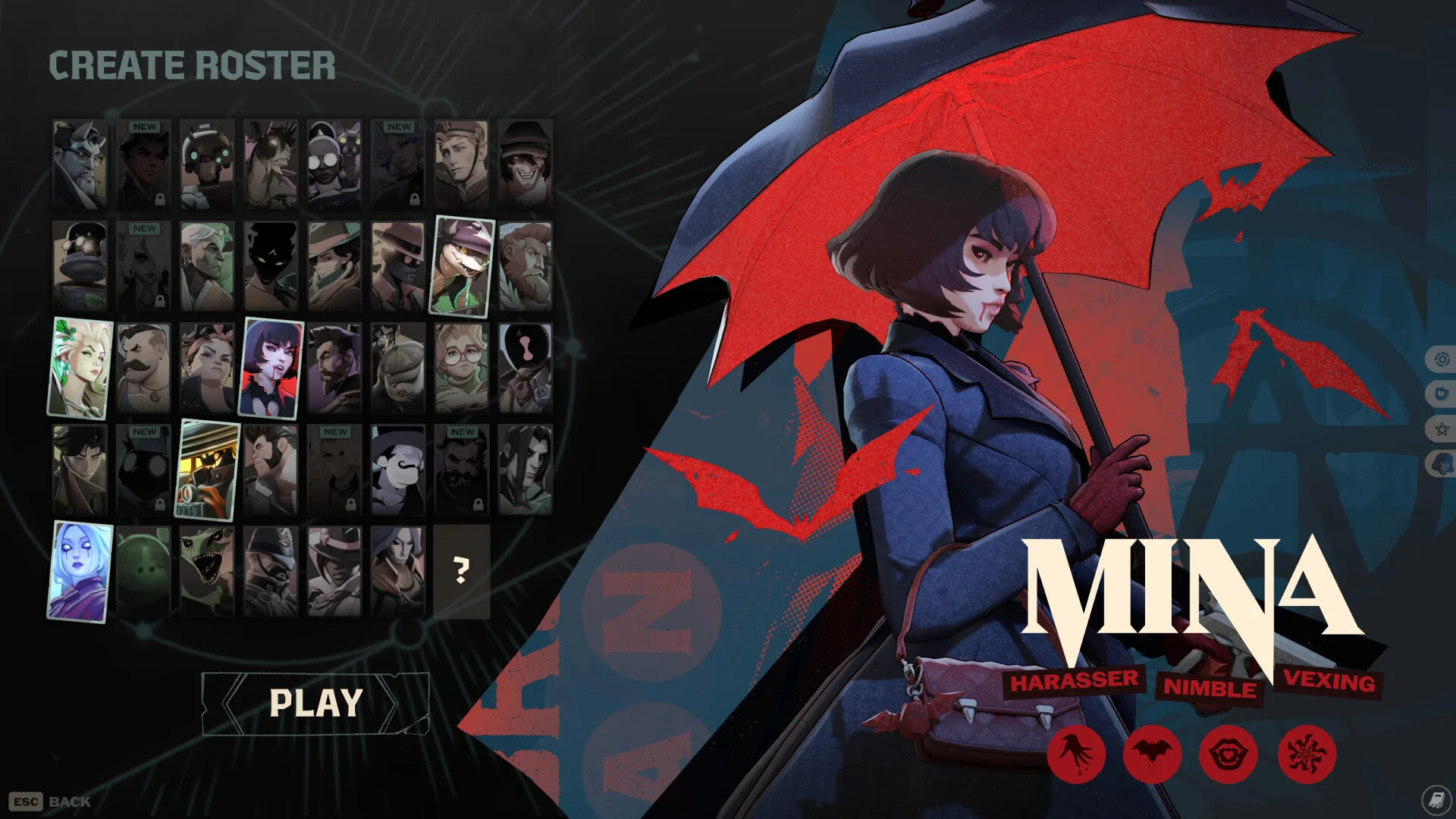
Deadlock is a third-person shooter where you farm creeps in lanes, buy items from a shop, push objectives, and teamfight over map control. If that sounds like it shouldn’t work as a shooter, you’re not wrong to be skeptical. MOBA mechanics in a third-person action game is the kind of pitch that sounds terrible in a meeting room.
But this is Valve. And somehow, it works.
What Deadlock Actually Is
The elevator pitch: imagine if Dota 2 and a hero shooter had a kid, and that kid was raised by the team that made Counter-Strike. You have lanes, creeps, towers, and an item shop. You also have ziplines, grapple mechanics, and gunplay that genuinely feels good.
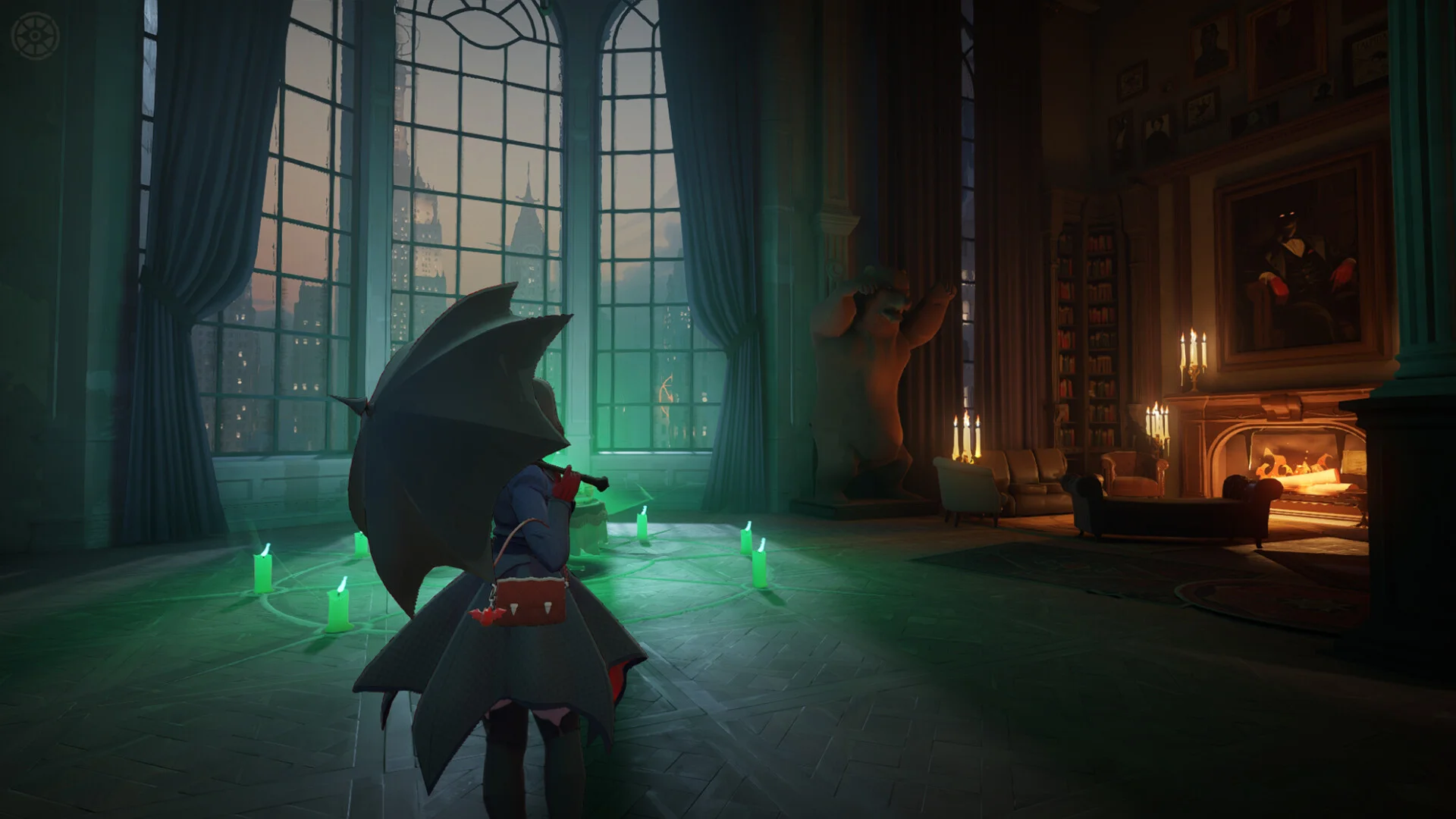
Each match plays out across a large map with four lanes. Two teams of six compete to push lanes, farm resources, secure objectives, and ultimately destroy the enemy base. Heroes have four abilities plus a gun, and the item system lets you specialize your build as the match progresses.
The third-person perspective is what makes this different from every MOBA before it. You’re not clicking to move — you’re aiming, strafing, and using movement mechanics that feel closer to a character action game than a strategy game. Farming creeps requires you to aim. Pushing a lane means physically being there, exposed to ganks. Teamfights are chaotic, skill-intensive brawls where positioning and aim both matter.
Why the MOBA Layer Works
Here’s what surprised me: the MOBA elements don’t feel forced. They feel necessary.
The laning phase gives matches structure. Instead of 6v6 deathmatches from minute one, you spend the first several minutes farming, trading in lane, and building toward your item power spikes. This creates a rhythm — moments of quiet tension punctuated by explosive fights over objectives.
The item system creates build diversity that hero shooters can’t replicate. In Overwatch or Marvel Rivals, your hero is your hero. Your abilities are fixed. In Deadlock, the same hero can be built as a damage dealer, a utility support, or a tank depending on what you buy. This means you can adapt mid-match to what your team needs.

And the snowball mechanics are less punishing than traditional MOBAs. Comebacks are real. Losing a lane doesn’t mean the game is over at minute 8. Valve has clearly spent time tuning the numbers so that advantage matters without being insurmountable.
The Movement Is the Secret Sauce
What makes Deadlock actually fun — not just interesting, but genuinely fun to play — is the movement system. Ziplines, dashes, ledge grabs, and hero-specific mobility options create a game that feels kinetic in a way that MOBAs never have.
Rotating between lanes means zipping across the map on rail lines, not slowly walking through a jungle. Ganking someone involves approaching from unexpected angles using vertical space. Escaping a bad situation rewards creative use of terrain and movement rather than just having a blink ability off cooldown.
This is the part that no other MOBA has tried, and it fundamentally changes the feel of the genre. Traditional MOBAs are strategic. Deadlock is strategic and mechanically demanding. Your game sense matters, but so does your aim, your movement, and your ability to execute under pressure.
Valve’s Quiet Confidence
Deadlock has been in semi-public playtesting for months with minimal marketing. No flashy reveals. No influencer campaigns. Just a playable game that spreads through word of mouth. This is the most Valve approach imaginable, and it’s working.
The game is rough around the edges. Art assets are unfinished in places. The UI needs work. Balance is actively being tuned with frequent patches. But the core — the thing that determines whether a competitive game lives or dies — is solid. The gameplay loop is engaging, the skill ceiling is enormous, and the match-to-match variety keeps things interesting.
What It Means for PVP Gaming
Deadlock matters because it’s proving that PVP game design doesn’t have to be derivative. You don’t have to choose between “it’s a MOBA” and “it’s a shooter.” You can combine genres in ways that create something genuinely new.
For the PVP space broadly, Deadlock’s success would validate the idea that players want depth, complexity, and long-form competitive experiences — not just quick-hit arena shooters. It’s the anti-trend game, and the fact that it’s gaining traction through pure gameplay quality rather than marketing spend is encouraging.
Whether Deadlock becomes the next Dota 2 or fades like Artifact, the design ideas it’s exploring are worth paying attention to. Someone at Valve asked “what if a MOBA felt like a shooter?” and the answer turned out to be more interesting than anyone expected.
Discussion