
The big PVP games get all the coverage. Valorant, Marvel Rivals, League of Legends, Counter-Strike 2 — these are the games that dominate Twitch, fill esports arenas, and get reviewed by every major outlet. And they deserve the attention. They’re excellent.
But the most interesting PVP design work happening right now isn’t coming from Riot, Valve, or NetEase. It’s coming from small indie studios and solo developers who are building competitive experiences that the big studios won’t touch — games that are too niche, too experimental, or too mechanically demanding for the mass market.
These are the indie PVP games you should know about.
Arena Brawlers: The Genre Coming Back From the Dead
The arena brawler genre has been in a weird limbo since Battlerite’s slow death around 2020. The core formula — small teams, skillshot-everything, short rounds — was proven by Bloodline Champions and refined by Battlerite. The combat works. The problem was always sustainability: keeping enough players online to fill queues in a niche genre.
Several indie teams are now taking another shot at it, and they’ve learned from the mistakes that killed Battlerite.
Alea
Developer: Afterlife Games | Status: Demo available, full release Q2 2026
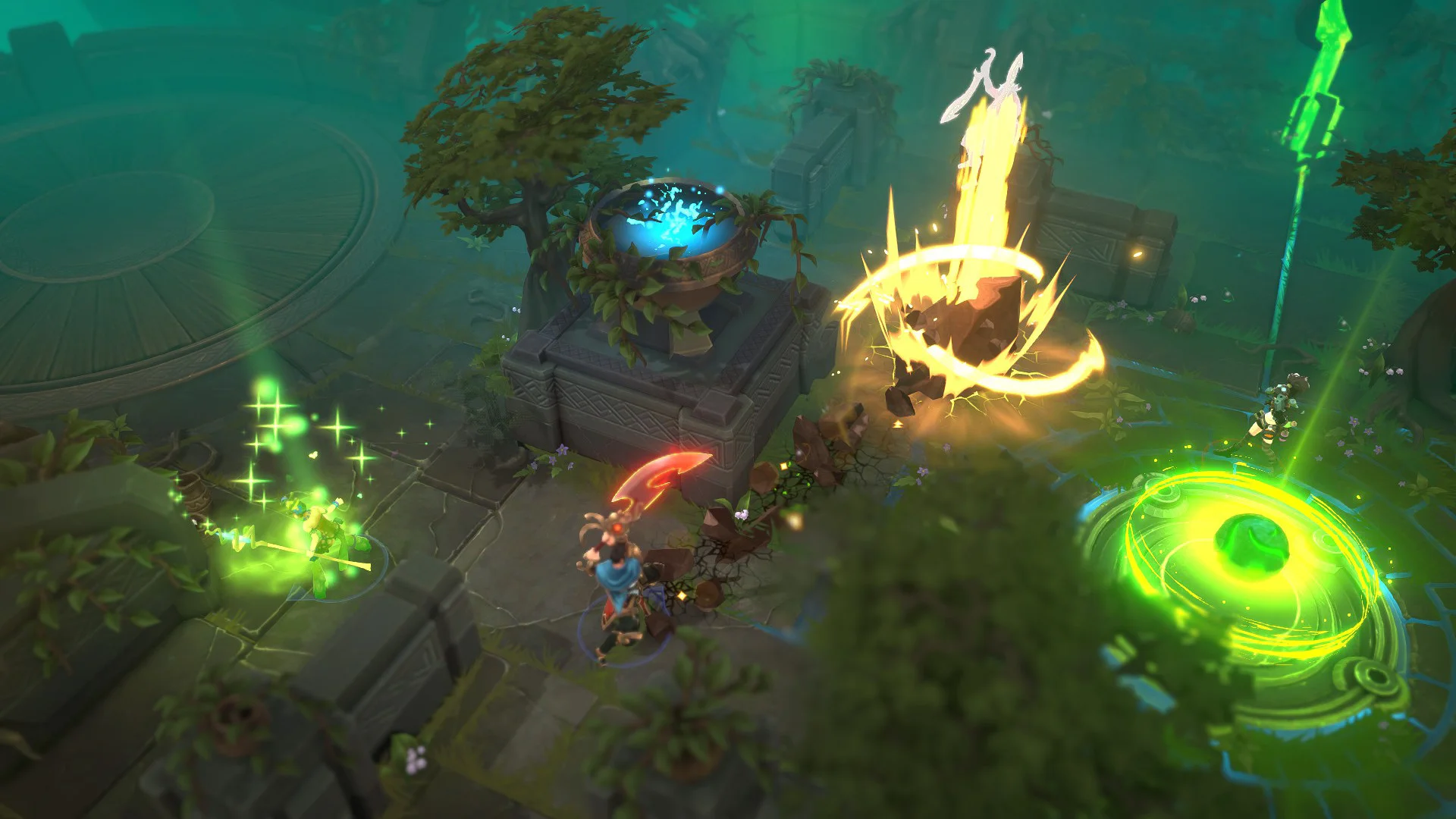
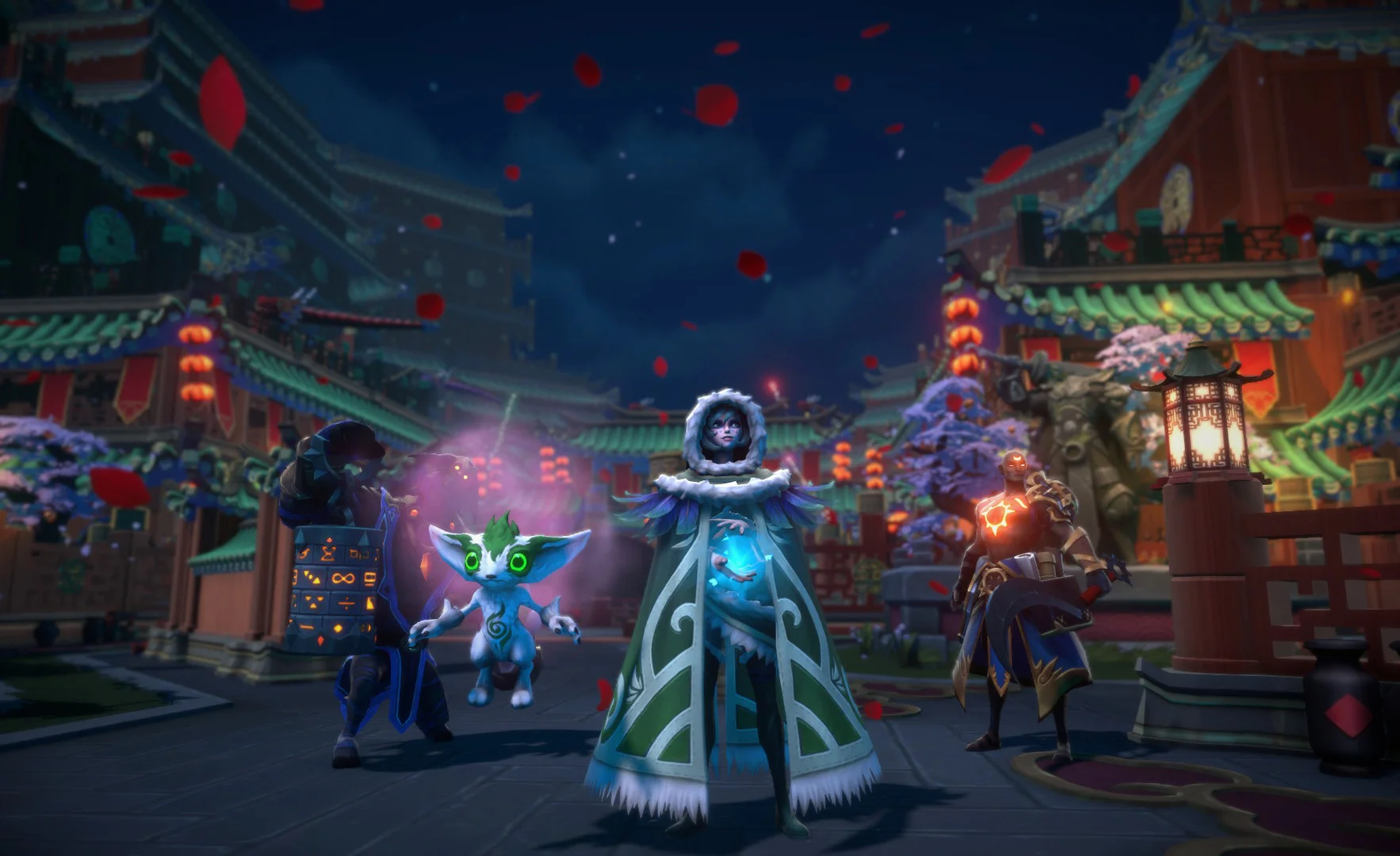
Alea is the most direct Battlerite successor in development. It’s a skill-first hero brawler with 1v1, 2v2, and 3v3 modes, built around a dual-skillset system where every hero has two ability loadouts you can switch between during a match.
The dual-skillset design is Alea’s hook. Instead of picking a hero and being locked into one playstyle, you choose two “sides” of each character, and the mind-game of which side you’ll use adds a layer of unpredictability to every fight. It raises the skill ceiling without adding mechanical complexity — the same number of buttons, but double the possible plays.
Alea released a public demo during Steam’s PvP Fest in February 2026, and the early reception from the Battlerite community has been cautiously optimistic. The movement feels responsive, the abilities are readable, and the combat pacing hits that sweet spot between tactical and frantic.
The big question is whether Alea can solve the population problem that killed every arena brawler before it. The dual-skillset system adds replayability, which helps. But the genre’s core challenge — needing enough concurrent players for healthy matchmaking — doesn’t have a design solution. It needs players.
Nebulagon
Developer: Indie (solo dev) | Status: In development
Nebulagon takes the Battlerite formula into a 2D art style with 8 heroes, each with a full 9-ability kit (M1, M2, Q, R, F, E, Space, plus two EX abilities). The game is focused on the 2v2 and 3v3 formats that made BLC and Battlerite competitive, with a combat system built around cooldown trading, counter-baiting, and energy management.
The 2D approach is a deliberate design choice. Lower art production requirements mean a solo developer can iterate faster on gameplay, which is where arena brawlers live or die. The hero roster covers the classic archetypes — tanks, ranged, assassins, supports — with the Battlerite-style emphasis on every role being mechanically engaging.
Nubs!
Developer: Rangatang / Glowfish | Status: Coming 2025-2026
From former Awesomenauts developers, Nubs! takes a different approach to arena combat. It’s a chaotic 5-player drop-in brawler with king-of-the-hill mechanics — less structured than Battlerite, more party-game-meets-competition. The tone is lighter, but the team’s background in competitive multiplayer design means the underlying systems have depth.
Nubs! represents the casual end of the arena brawler spectrum. Not every competitive game needs to be an esport. Sometimes you just want to knock people around an arena with your friends. If Nubs! can nail that feel with enough mechanical depth to keep people coming back, it fills a gap that the more hardcore arena brawlers leave open.
Platform Fighters: Beyond Smash
The platform fighter genre has exploded in the indie space over the last few years, driven largely by the competitive Smash community’s desire for games with better netcode and more developer support.
Rivals of Aether II
Developer: Aether Studios | Status: Released October 2024
Rivals of Aether II is the gold standard for indie platform fighters. The sequel to the original 2D Rivals, it adds 3D visuals, new mechanics, and significantly improved online infrastructure — including rollback netcode that actually works.
The game currently features 16 characters, each with distinct movement and combo properties. What sets Rivals apart from other Smash-likes is its commitment to competitive integrity: no items, no randomness, just pure skill expression. The developer team actively engages with the competitive community for balance feedback, and the game’s tournament scene is growing.
Rivals II proves that indie PVP games can sustain competitive communities when the developer prioritizes the competitive experience. The game’s Discord is active, weekly tournaments run consistently, and the playerbase, while not massive, is dedicated and growing.
The Broader Platform Fighter Scene
Beyond Rivals, there’s a growing ecosystem of indie platform fighters targeting different niches. Games like Combo Devils (traditional fighting game meets platform fighter), Resistance 204X (Nidhogg-meets-Jet-Set-Radio aesthetic), and others are pushing the genre in new directions. Evo 2025 dedicated an entire section of their floor to indie fighting game developers, which signals that the competitive community sees indie fighters as a legitimate part of the ecosystem.
Experimental PVP: Games That Don’t Fit a Genre
Some of the most interesting indie PVP work is happening in games that can’t be neatly categorized.
Omega Strikers
Developer: Odyssey Interactive | Status: Released (free-to-play)
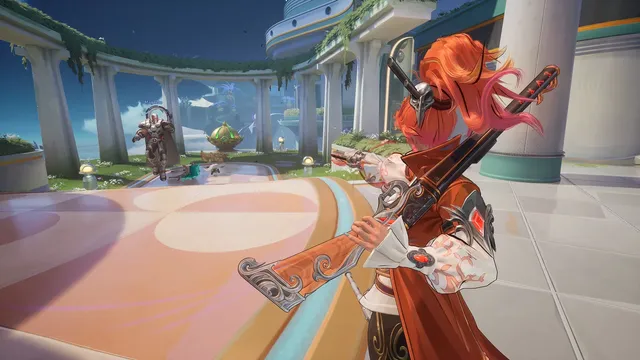
Omega Strikers comes from former Riot Games developers and combines hockey-style goal scoring with hero abilities and knockouts. It’s 3v3, it’s ability-based, but the objective isn’t to kill the enemy team — it’s to score goals while knocking opponents off the arena.
The sports-hybrid approach is clever because it sidesteps the “I just got killed and I’m not sure why” problem that makes traditional PVP games hard for new players. The goal-scoring objective is immediately understandable, and the knockout mechanic adds PVP depth without making death feel as punishing.
Omega Strikers has had a rocky population history — the player count has spiked and dipped with content updates — but the core design is strong and the free-to-play model makes it easy to try.
Abunka
Developer: Indie | Status: Available on Steam
Abunka mixes arena brawler combat with RTS pipe-building mechanics in a way that shouldn’t work but somehow does. It’s 3v3, top-down, with strategic construction layered onto fast-paced combat. The blend of genres creates a unique PVP experience where mechanical skill and strategic thinking are both rewarded.
Why Indie PVP Matters
There’s a practical reason to care about indie PVP games: they’re where the innovation happens.
Every major PVP game started as someone’s experimental idea. League of Legends was a mod. Counter-Strike was a mod. Rocket League was Supersonic Acrobatic Rocket-Powered Battle-Cars, an indie game that nobody played. The games that define competitive gaming today all started as niche experiments.
The indie PVP games on this list are the experiments that might define the next decade. Most of them won’t break through — that’s the nature of the space. But the ones that do will bring design ideas that the AAA studios are too risk-averse to try.
More importantly, indie PVP games serve communities that AAA games don’t. If you want a competitive arena brawler in 2026, there is no AAA option. The only people building that game are indie developers. If you want a platform fighter that isn’t Smash (and doesn’t have Smash’s netcode problems), indie developers built Rivals of Aether. If you want competitive PVP that doesn’t require 500,000 concurrent players to function, indie developers are the ones designing for smaller populations.
How to Support Indie PVP Games
If you’re reading this site, you probably care about competitive PVP. Here’s how to actually help the games on this list survive:
Play during peak hours. The biggest killer of small PVP games is empty queues during off-peak times. If you’re going to play, try to play when others are playing. Many indie PVP communities coordinate play sessions through Discord.
Wishlist on Steam. Even before a game launches, wishlists affect how Steam’s algorithm surfaces the game to other potential players. If a game on this list interests you, wishlist it.
Join the Discord. Every indie PVP game lives or dies by its community Discord. These aren’t just chat servers — they’re where matches get organized, feedback gets discussed, and the competitive scene develops. Being present in the community is worth as much as playing the game.
Stream and share. The single biggest marketing advantage AAA games have over indie games is visibility. A clip of an incredible play shared on Twitter, a stream session on Twitch, a recommendation post on Reddit — all of this helps more than you’d think.
Give feedback, not just complaints. Indie developers read their community feedback. If something is broken, report it constructively. If something is great, say so. The developers of these games are usually small teams or solo developers who are deeply invested in getting the design right.
The golden age of indie PVP isn’t here yet. But the foundations are being laid. The developers are building. The communities are forming. And somewhere in this list might be the next game that changes what competitive PVP can be.
Discussion